0%

Choosing Portable Ablution Units requires more than comparing prices and photographs. The right unit must support privacy, cleanliness, accessibility, safe water use, and dependable daily operation. A practical decision begins with the site. Is the ground level? Can delivery vehicles reach it? Where will users wash, wait, and leave without creating slippery paths?

Jack Sim, founder of the World Toilet Organization, has stated, “Sanitation is a human right.” That principle gives this purchase a clear purpose. Portable Ablution Units should serve real people, not simply fill an event layout. Look closely at the washing taps, flooring, ventilation, lighting, drainage, storage tanks, and cleaning access. A narrow entrance may appear efficient, yet it can frustrate wheelchair users and families carrying children. Small details matter.

Experience also teaches caution. A glossy brochure cannot reveal poor seals, weak foot pumps, or difficult winter maintenance. Ask suppliers for installation photographs, cleaning schedules, material specifications, and service records. Check how quickly replacement parts arrive. Confirm the unit’s capacity against expected attendance, especially during peak prayer periods or public events. Numbers can mislead.

No checklist removes every uncertainty. I would still inspect a unit in person before signing a long-term agreement. That step may feel inconvenient, but it exposes problems that marketing language hides. The following ten tips provide a practical framework for comparing Portable Ablution Units with greater confidence, hygiene awareness, and respect for every user.
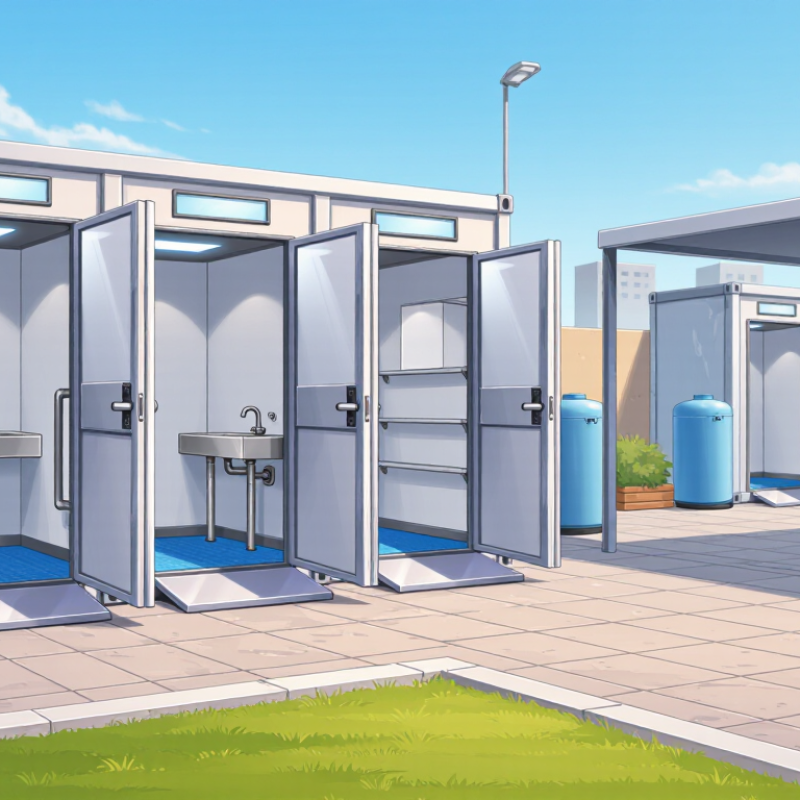
10 Tips for Choosing Portable Ablution Units

Understanding the Purpose and Types of Portable Ablution Units

Portable ablution units provide temporary access to toilets, handwashing, and bathing where permanent facilities are unavailable. They support construction sites, outdoor events, emergency shelters, and religious gatherings. Their purpose is practical: protect dignity, reduce contamination, and keep people moving safely.

The WHO and UNICEF Joint Monitoring Programme reported that 3.5 billion people lacked safely managed sanitation in 2022. The same report found that 1.5 billion people lacked basic hygiene services at home. These figures show why portable washing facilities need more than attractive design.

Toilet-only units suit short events.

Shower units serve camps and recovery sites.

Combined units offer greater privacy, but require stronger water and waste systems.

Accessible units need level entry, handrails, and enough turning space.

Tip: Match the unit to the task. Count users, operating hours, water access, drainage, and cleaning frequency. A unit may look suitable yet fail during peak demand. I have seen planning focus too heavily on unit numbers. Service intervals matter just as much.

The 2023 Global Status Report on WASH in Health Care Facilities also stresses reliable water, sanitation, and hygiene systems for safer environments.

Choose sealed waste storage, non-slip flooring, ventilation, and visible handwashing points. Review local accessibility and sanitation requirements before delivery.

Small details, such as interior lighting and coat hooks, can improve real-world use. They are easy to overlook.

Assessing Capacity, Layout, and User Accessibility

Choosing a portable ablution unit starts with understanding real demand, not the advertised maximum. Record expected users, peak periods, and average washing time. A unit serving 100 people over several hours may struggle during a short break.

I have seen queues grow because planners counted fixtures but ignored movement space. Allow room for people entering, washing, drying, and leaving without blocking others. Separate wet and dry zones where possible. Clear signs reduce hesitation. A wheelchair-accessible bay should provide a level entrance, a wide door, stable handrails, and enough turning space. Non-slip flooring matters when water reaches the walking area. It is easy to overlook.

Layout should also support children, older adults, and users carrying personal items. Low controls, reachable shelves, bright lighting, and privacy screens can make a noticeable difference. Confirm that water pressure, drainage, ventilation, and refill access match the site conditions. A technically suitable unit may perform poorly on uneven ground or beside a narrow pathway.

Capacity calculations deserve regular review. Attendance can change with weather, schedules, or unexpected visitors. Leave some operating margin instead of planning for a perfect day. I would also test the unit with different users before deployment, because a drawing rarely reveals every barrier. Accessibility guidance and local requirements should be checked with qualified professionals, especially for public events. Even small details, such as a slippery threshold or a door that closes too quickly, can affect safe and respectful use.

Checking Water Supply, Drainage, and Sanitation Features

Choosing a portable ablution unit starts with water, not appearance. Check whether the site has a mains connection, storage tank, or tanker delivery. Measure expected users during the busiest hour, then allow extra capacity. A small tank empties quickly at a busy outdoor event. Ask how often it can be refilled. I once saw a unit placed far from the water point. It created long hoses and weak pressure. It worked, but poorly. Keep supply lines short, protected, and easy to inspect. Confirm that taps shut off fully and heated water controls are clearly marked.

Drainage deserves equal attention. Identify the outlet size, ground slope, and approved discharge point before delivery. Wastewater should flow away without pooling beneath the unit. Test the floor after several minutes of running water. Slow drainage can leave slippery surfaces and unpleasant odors. Where no fixed drain exists, use a sealed waste tank with a visible level indicator. It should have secure fittings and a practical emptying route. I would not trust a tank simply because it looks large. Check its actual capacity and cleaning records.

Sanitation features reveal build quality. Look for nonporous floors, washable walls, covered waste containers, and handwashing supplies. Soap and paper towels must be replenished easily. Ventilation helps, but it cannot replace regular cleaning. Request a written service schedule, inspection checklist, and emergency contact. Verify who handles leaks, blocked drains, and full tanks. Standards vary by location, so confirm local public health requirements with the responsible authority. Some details are easy to overlook, especially lighting around the entrance. That small omission can affect safe use at night.

10 Tips for Choosing Portable Ablution Units

Water supply, drainage, and sanitation features ranked by practical selection priority

Use this checklist to compare portable ablution units before purchase or rental. Water capacity, reliable drainage, handwashing access, ventilation, cleaning access, and accessibility should be verified on site. The scores represent practical planning priorities rather than manufacturer performance claims.

Comparing Materials, Durability, and Maintenance Requirements

Portable ablution units face water, sunlight, chemicals, and repeated relocation. Material selection therefore affects hygiene, service life, and daily operating costs. High-density polyethylene resists impact and corrosion, while fiberglass offers rigidity but may crack after rough handling. Stainless steel is strong and easy to disinfect, yet it can increase weight and purchase cost. I have found that thin panels often look economical, but their doors and floor joints fail first.

Tip 1: Inspect wall thickness, welds, hinges, and non-slip flooring. Ask for documented impact and UV-resistance testing. The ISO 30500 standard highlights containment, treatment, and safe operation for non-sewered sanitation systems. It does not replace local inspection, but it offers a useful technical reference. The WHO and UNICEF Joint Monitoring Programme reported that 3.5 billion people lacked safely managed sanitation in 2022. That figure shows why reliable sanitation equipment matters beyond temporary convenience.

Tip 2: Compare maintenance by task, not brochure claims. Smooth, sealed surfaces reduce residue around corners. Removable tanks simplify servicing, although poorly designed handles can leak. Choose corrosion-resistant fasteners and accessible plumbing. CDC cleaning guidance supports routine cleaning before disinfection, especially on frequently touched surfaces. Keep a written schedule for emptying, ventilation checks, odor control, and component replacement. Small failures become unpleasant quickly. My own practical preference is service access without tools, though this can slightly reduce tamper resistance. Ask suppliers for maintenance records, replacement intervals, and realistic repair times.

Evaluating Transport, Installation, Compliance, and Overall Cost

10 Tips for Choosing Portable Ablution Units

Evaluating Transport, Installation, Compliance, and Overall Cost

Tip 1
Measure the access route before selecting a unit. Check gates, slopes, turning space, and overhead clearance.
Tip 2
Ask about delivery equipment and surface protection. A heavy unit can damage soft ground after rain.
Tip 3
Confirm lifting points and repositioning options. Site layouts often change.
Tip 4
Choose a level installation area near approved water and drainage connections.
Tip 5
Request clear setup requirements, including power, ventilation, anchoring, and waste storage.
Tip 6
Inspect interior details, such as non-slip flooring, handrails, lighting, and lockable doors. Small details affect daily safety.
Tip 7
Verify compliance with local sanitation, accessibility, electrical, and temporary-structure rules. Requirements differ by location, so written confirmation is valuable.
Tip 8
Check cleaning access and service frequency. A unit that looks affordable may require frequent visits.
Tip 9
Compare the complete cost, not only the rental price. Include transport, installation, permits, servicing, water, waste removal, security, and collection.
Tip 10
Read the agreement carefully. Clarify damage responsibility, emergency response times, cancellation terms, and weather limitations.

My early estimates were too optimistic because I ignored ground preparation and extra servicing. That mistake was avoidable.

Ask for an itemized quotation and realistic delivery schedule. Keep photographs of the installation area. They can support later discussions.

A qualified local inspector or site manager should review the final placement when public access, workers, or vulnerable users are involved.

FAQS

Which materials are suitable for portable ablution units?

High-density polyethylene resists impacts and corrosion. Fiberglass is rigid but may crack during rough relocation. Stainless steel is durable and easy to disinfect, but heavier and more expensive.

What should I inspect before choosing a unit?

Check wall thickness, welds, hinges, floor joints, and non-slip flooring. Thin panels may look economical. Doors and floor joints often fail first.

How can I compare maintenance requirements?

Compare cleaning tasks, service access, replacement intervals, and repair times. Smooth, sealed surfaces reduce residue. Removable tanks simplify servicing, but weak handles may leak.

What routine maintenance should be scheduled?

Keep written dates for emptying, ventilation checks, odor control, cleaning, and component replacement. Clean surfaces before disinfection. Frequently touched areas need regular attention.

How do I confirm the site can receive the unit?

Measure gates, slopes, turning areas, and overhead clearance. Check lifting points and delivery equipment. Wet ground may need protection from heavy equipment.

What installation conditions are important?

Use level ground near approved water and drainage connections. Confirm power, ventilation, anchoring, and waste-storage requirements. Small placement errors can create daily problems.

Which safety and access details deserve attention?

Inspect non-slip floors, handrails, lighting, and lockable doors. Verify local sanitation, accessibility, electrical, and temporary-structure requirements. Rules vary by location.

What costs should an itemized quotation include?

Include transport, installation, permits, servicing, water, waste removal, security, and collection. My early estimates were too optimistic. I ignored ground preparation and extra servicing.

What agreement details should be clarified?

Confirm damage responsibility, emergency response times, cancellation terms, weather limits, and delivery timing. Keep photographs of the installation area. They may support later discussions.

Conclusion

Choosing the right Portable Ablution Units requires more than comparing prices. Start by identifying the intended purpose, location, and user group, then select a suitable type and capacity. Consider the internal layout carefully, especially for privacy, movement, accessibility, and peak-time usage. A practical unit should also provide a dependable water supply, effective drainage, hygienic washing facilities, and easy-to-manage sanitation systems.

Durability and maintenance are equally important. Review the materials used, resistance to weather and frequent use, cleaning requirements, and the availability of replacement components. It is also essential to evaluate transportation, site preparation, installation time, storage, and compliance with relevant local requirements. Finally, compare the complete cost, including delivery, setup, servicing, water management, and long-term upkeep. A well-planned choice will provide a safe, convenient, and reliable ablution solution while reducing operational difficulties and unexpected expenses.

Amelia

Amelia

Amelia is a professional marketing specialist with a strong understanding of the company’s products, services, and customer-focused values. With a background in market research, content strategy, and digital communication, she transforms complex product information into clear, practical, and......