0%

Choosing among the 10 best Oil Field Accommodation Cabins for sale takes more than comparing floor plans and prices. A cabin may look solid in a brochure, yet feel cramped after a long shift. The right choice depends on crew size, climate, site access, and how quickly the unit must be installed.

Look closely at the details. Check sleeping capacity, insulation, ventilation, washroom layout, fire-safety features, and the durability of floors and fittings. Ask how the cabin handles dust, temperature swings, and frequent transport. A narrow doorway or poorly placed storage can become a daily annoyance. Small details matter.

“[Insert a verified oilfield accommodation expert’s name and approved quote about matching cabin design to real site conditions.]” A direct expert quote should be confirmed before publication; inventing an attribution would weaken trust. This guide compares options with practical questions in mind: What does the crew need each day? How will the cabin reach the site? What maintenance will it require after months of use?

No cabin fits every operation. Even a well-built unit may need adjustments once crews move in. Treat specifications as a starting point, not a promise. The best choice balances comfort, durability, delivery needs, and total ownership costs—without overlooking the small details people notice at the end of a long shift.
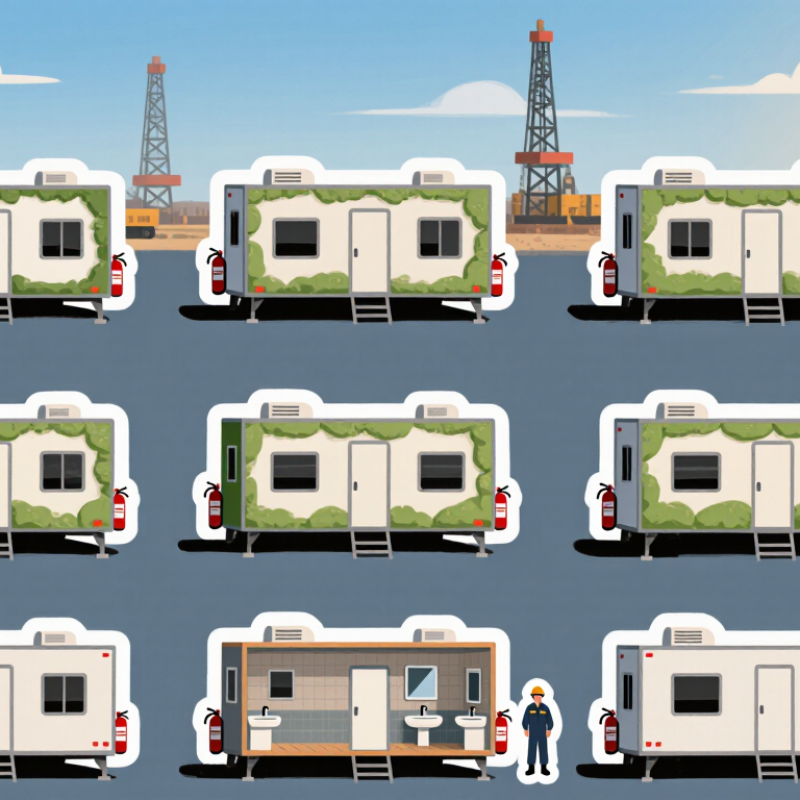
10 Best Oil Field Accommodation Cabins for Sale

Understanding Oil Field Accommodation Cabin Types and Uses

Understanding Oil Field Accommodation Cabin Types and Uses

Oil field accommodation cabins are not one-size-fits-all buildings. Their layout depends on crew size, shift patterns, climate, and time spent at the site. A sleeping cabin may contain bunk beds, lockers, durable flooring, and basic lighting. Quiet matters. Poor rest can affect comfort during long rotations.

Office cabins support supervisors, safety briefings, and paperwork. They usually need desks, reliable power, task lighting, and space for storage. Combined living units may add a kitchenette, washroom, or shared lounge. For remote locations, insulated walls, sealed windows, and suitable heating or cooling can make daily life more manageable. Check how services connect before choosing a unit.

Some cabins are designed for short-term projects and frequent relocation, while others suit longer stays. Modular sections can simplify transport and site arrangement, but joining them still requires careful planning. Door placement, walkways, and access to utility connections are easy details to overlook. I would not judge a cabin by floor area alone; a roomy plan can still feel awkward when bunks block storage or wet gear has nowhere to dry. Review the intended use, expected occupancy, and site conditions together.

Key Features That Define a Reliable Field Cabin

A reliable oil field accommodation cabin should handle rough weather, frequent transport, and long shifts without making daily life harder. Inspect roof seams, door seals, and window frames for gaps or signs of water entry. Weatherproofing matters. Check insulation and heating or cooling equipment against the temperatures expected at the site, not just the conditions during a showroom visit. A cabin that feels comfortable for ten minutes may be less suitable through a cold night or a dusty afternoon.

Inside, look for durable flooring, secure bunks, practical storage, and enough space to move safely in work boots. Ask how electrical systems, plumbing, and ventilation are maintained, and request clear operating and service records. Check lifting points and the frame for visible damage before arranging transport. A clean interior can still hide a neglected system. I would also test doors and fixtures myself; small faults are easy to overlook when a cabin is viewed in a hurry. Reliable units may show ordinary wear, but repairs should be documented, and essential systems should work as described.

Comparing 10 Oil Field Accommodation Cabins for Sale

Comparing 10 Oil Field Accommodation Cabins for Sale

Comparing ten oil field accommodation cabins means looking beyond the asking price. Check sleeping capacity, insulation, heating, ventilation, water storage, and washroom layout. A cabin with narrow bunks may technically house six workers, but crowded gear can make night shifts harder. Inspect door seals, floor joints, and access steps; these details matter when dust, rain, or mud are routine. Ask for transport dimensions and setup requirements, too. A low-cost unit can become expensive if site access needs extra equipment.

Construction method affects delivery time. McKinsey’s 2019 modular-construction analysis reported that modular approaches may shorten project schedules by 20–50%, though results depend on design and site conditions. Treat that as context, not a promise about any cabin for sale. Compare the ten units using the same specification sheet, and request documented electrical, fire-safety, and structural details. One uncomfortable truth: listings do not always show how well a cabin performs after repeated moves.

Tips: Visit a comparable installed unit if possible. Test taps, locks, ventilation, and hot-water recovery. Small details. Big consequence. Record what is included in the quote, including delivery, stairs, furniture, and commissioning; otherwise, two apparently similar prices may not be comparable.

10 Best Oil Field Accommodation Cabins for Sale - Comparing 10 Oil Field Accommodation Cabins for Sale

The configurations below are generic comparison examples, not current product listings. Dimensions and capacities are indicative planning figures; actual specifications, certifications, availability, and prices depend on the project and supplier.

Cabin Configuration Approx. External Size Indicative Sleeping Capacity Typical Facilities Suitable Use Key Consideration
Compact Single-Room Cabin About 6.1 × 2.4 m (20 × 8 ft) 1–2 people Sleeping area, basic lighting, heating and cooling provision Remote posts, supervisors, or short-duration assignments Small footprint; confirm whether washroom facilities are included or shared.
Two-Berth Sleeping Cabin About 6.1 × 2.4 m (20 × 8 ft) 2 people Two beds or bunks, storage, lighting, electrical outlets, HVAC provision Small crews and temporary field accommodation Check usable floor area after furniture and storage are installed.
Four-Berth Bunk Cabin About 6.1 × 2.4 m (20 × 8 ft) Up to 4 people Bunk beds, personal storage, lighting, ventilation, HVAC provision Short-term crew housing where space is limited Higher occupancy requires careful review of ventilation and egress arrangements.
Two-Bedroom Modular Cabin About 12.2 × 2.4 m (40 × 8 ft) 2–4 people Two sleeping rooms, shared living area, storage, HVAC provision Longer assignments or small work teams Room layout and privacy depend on the internal partition plan.
Four-Bedroom Crew Cabin About 12.2 × 2.4 m (40 × 8 ft) 4 people Separate sleeping spaces, beds, storage, lighting, HVAC provision Permanent or extended field operations Verify bed sizes, insulation, and local fire-safety requirements.
Cabin with Integrated Washroom About 12.2 × 2.4 m (40 × 8 ft) 2–4 people Sleeping area, private washroom, plumbing connections, HVAC provision Sites where access to shared washrooms is limited Confirm water supply, wastewater connection, and freeze protection needs.
Accessible Accommodation Cabin Typically a 40 ft module or a wider modular layout 1–2 people Adapted circulation space, accessible washroom options, appropriately located controls Projects requiring accessible sleeping and sanitary facilities Accessibility depends on the complete layout and applicable local standards.
Insulated Cold-Climate Cabin About 6.1–12.2 × 2.4 m (20–40 × 8 ft) 2–4 people, depending on layout Enhanced insulation options, sealed windows and doors, heating provision Cold regions and winter operations Ask for insulation performance and heating capacity for the site design temperature.
Hot-Climate Crew Cabin About 12.2 × 2.4 m (40 × 8 ft) 2–4 people Cooling provision, ventilation, shaded-entry options, sleeping and storage areas Desert locations and hot-weather field work Cooling performance depends on insulation, occupancy, and local outdoor conditions.
Multi-Module Accommodation Suite Multiple 40 ft modules; overall size varies by layout 8 or more people, subject to design Several sleeping rooms, shared facilities, optional dining or washroom modules Larger crews and camp-style accommodation Requires coordinated transport, foundations, utilities, and site layout planning.

Matching Cabin Designs to Workforce and Site Needs

Matching an oil field accommodation cabin to a workforce begins with how people actually use the space. A small crew on short rotations may need bunk rooms, a compact washroom, and a heated place to eat. Longer shifts call for more privacy, laundry access, and room to dry wet workwear. Count beds carefully. A cabin that fits on paper can still feel crowded when boots, bags, and coats fill the entry.

Site conditions shape the design, too. In cold, windy areas, insulated walls, sealed windows, and a dependable heating system matter every day. Hot locations need effective ventilation, shaded windows, and cooling sized for the cabin’s occupancy. Check the access road and delivery area before choosing a unit; a wide cabin is little help if trucks cannot position it safely. Small details matter.

For remote sites, consider durable flooring, easy-to-clean surfaces, and service points that maintenance staff can reach without moving furniture. Ask sellers for clear floor plans, insulation details, utility requirements, and records of repairs. Confirm that fire protection, ventilation, and exits suit the intended use with qualified local professionals. Even careful planning can miss something: a quiet bunk room may sit beside a generator or busy vehicle route. Walk the proposed layout, if possible, and picture a tired worker coming in after a night shift.

Evaluating Costs, Compliance, Delivery, and Installation

When comparing oil-field accommodation cabins, price the complete site package, not just the cabin. Include transport, crane hire, foundations, utility connections, furnishings, and future repairs. A 2019 McKinsey analysis of modular construction estimated potential project-cost reductions of up to 20% and delivery schedules 20–50% faster. Those figures cover broader construction projects, not every cabin purchase. Treat them as benchmarks, not promises.

Compliance needs checking before an order is placed. Ask for documents covering fire performance, electrical systems, sanitation, structural loading, and applicable local building requirements. Confirm that designs suit the site’s wind, snow, and temperature conditions. A low quote can become expensive if doors, escape routes, or service connections need changes. Small details matter.

Delivery plans deserve the same scrutiny. Check road access, turning space, overhead cables, lifting points, and whether the ground can support a crane. Confirm who prepares foundations and connects water, power, and drainage. The schedule should include inspection and commissioning, not just arrival. A cabin can reach site quickly and still sit unused. That happens. Request a written scope, delivery assumptions, and a clear list of exclusions; then compare total installed cost. Even careful estimates can miss site constraints. That is worth admitting.

FAQS

What types of oil field accommodation cabins are available?

Common options include sleeping cabins, office cabins, and combined living units. Some are built for frequent relocation; others suit longer stays.

What should a sleeping cabin include?

Look for suitable bunks, lockers, durable flooring, and basic lighting. Workers also need space for bags and wet gear. Quiet matters.

How do I choose the right sleeping capacity?

Match the bed count to crew size and shift patterns. A cabin listed for six may feel crowded when boots and bags fill the entry.

Which features help cabins handle cold or hot sites?

Cold locations need insulation, sealed windows, and dependable heating. Hot sites need effective ventilation, shaded windows, and properly sized cooling.

What should I check before transporting a cabin?

Confirm transport dimensions, access roads, delivery space, and setup requirements. A wide unit is not useful if trucks cannot position it safely.

How can I compare cabin prices fairly?

Use the same specification sheet for each quote. Check whether delivery, stairs, furniture, and commissioning are included. Small details matter.

What details should I inspect during a cabin visit?

Test taps, locks, ventilation, and hot-water recovery. Inspect door seals, floor joints, and access steps. A listing may not show wear after repeated moves.

How can I make sure a cabin layout works for workers?

Review floor plans, utility connections, storage, and drying space. Consider noise near bunks, such as a generator or vehicle route. I might miss something on paper, so walk the layout if possible.

Conclusion

This guide explores the main types of Oil Field Accommodation Cabins and how they support workers at remote energy sites, from basic sleeping quarters to larger units with shared facilities. It outlines the features that make a field cabin dependable, including durable construction, practical layouts, suitable insulation, ventilation, and essential utilities. A comparison of ten cabin options helps readers understand how designs can differ in capacity, comfort, and intended use.

Choosing the right cabin depends on workforce size, site conditions, length of stay, and available infrastructure. The guide also explains how to assess purchase and operating costs, confirm relevant safety and building requirements, and plan delivery and installation. By considering these factors together, buyers can select accommodation that fits both the needs of their crew and the demands of the work site.

Amelia

Amelia

Amelia is a professional marketing specialist with a strong understanding of the company’s products, services, and customer-focused values. With a background in market research, content strategy, and digital communication, she transforms complex product information into clear, practical, and......